
Bulk lipase for biodiesel producers, renewable-fuel plants and process developers who need to run waste oils, acid oils and high-free-fatty-acid feedstocks. Format, pack and pricing are quoted per order against your feedstock and reactor design.
Request a quote: send the product you make, the quantity per order or per month, and the destination country. Request a quote
Lipase for enzymatic biodiesel production
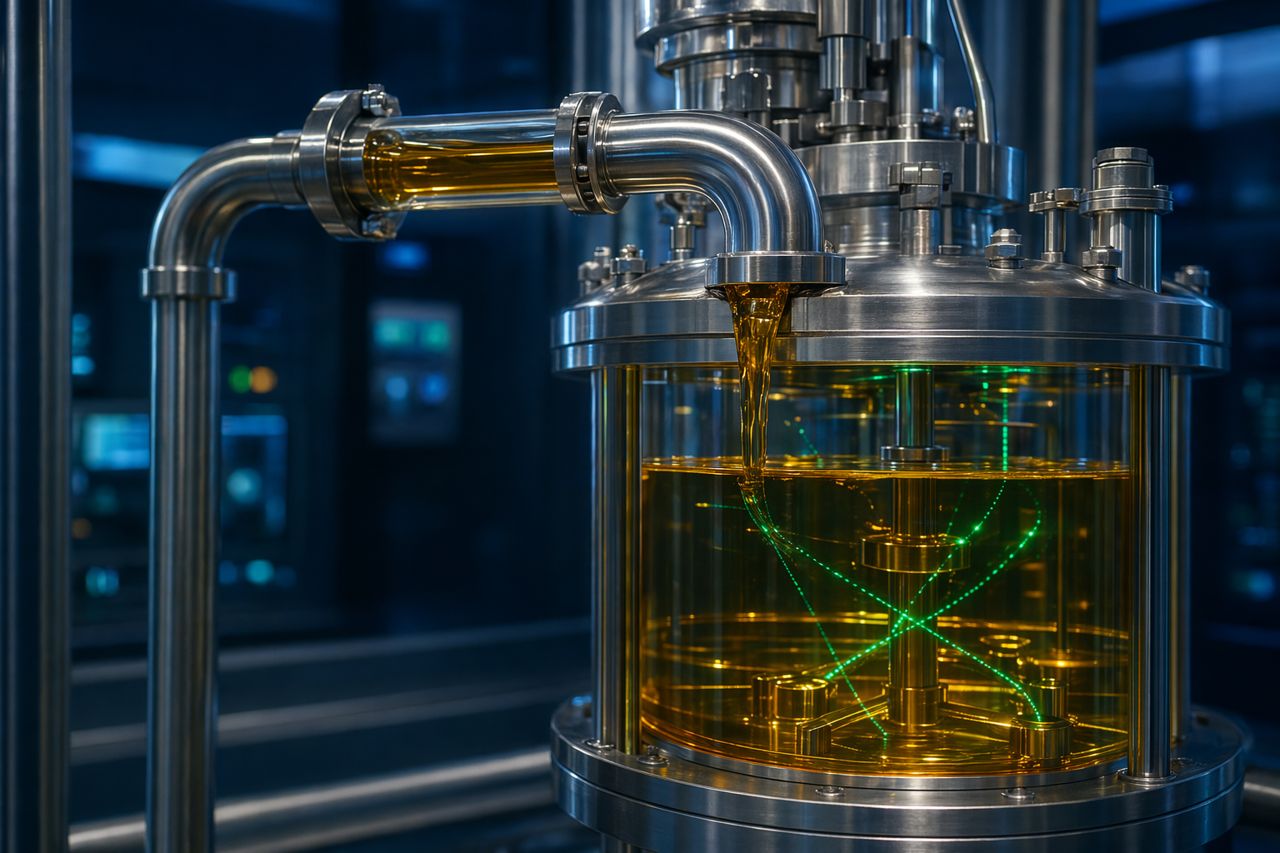
Enzymatic biodiesel production uses lipase to convert lipid feedstocks into fatty acid alkyl esters under milder, more selective process conditions. For producers working with variable oils, waste cooking oil, high-free-fatty-acid streams, or blended renewable lipid sources, lipase offers a practical route to reduce soap formation, simplify neutralization demands, and improve feedstock flexibility.
Lipase Enzyme Solutions supplies industrial lipase for biodiesel process development and commercial sourcing teams that need consistent catalytic performance, application-fit documentation, and responsive technical dialogue.
What lipase does in biodiesel processing
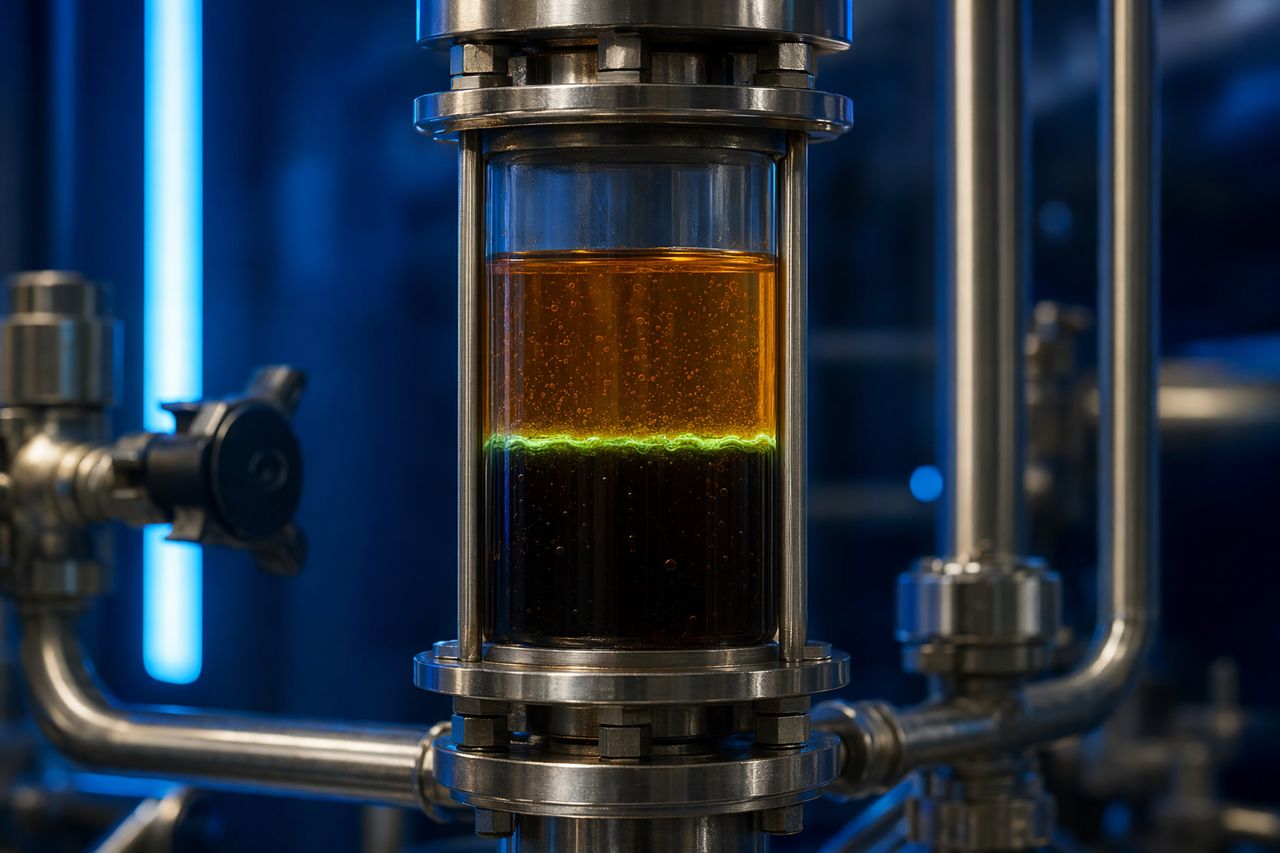
Lipase, properly known as Lipase (triacylglycerol acylhydrolase), acts at the oil-water or oil-alcohol interface. In biodiesel applications, it can support reaction pathways involving:
- Transesterification of triglycerides into fatty acid alkyl esters
- Esterification of free fatty acids into alkyl esters
- Conversion of mixed glyceride fractions present in partially degraded or recycled oils
- Process routes using methanol, ethanol, or other alcohol systems, subject to compatibility testing
The commercial value is not simply that lipase reacts with fats. It is that lipase can help bring difficult feedstocks into a cleaner esterification-transesterification window with fewer side reactions than strongly alkaline chemistry.
Why producers evaluate enzymatic routes
Feedstock flexibility
Waste cooking oil, acid oils, rendered lipid streams, and other low-cost feedstocks often contain elevated free fatty acids, water, oxidation products, and suspended impurities. Conventional alkaline routes can be sensitive to these inputs because free fatty acids promote soap formation and separation losses.
Lipase-enabled processing can be especially useful when the feedstock strategy depends on variable or lower-grade oils. The enzyme can support conversion of both triglycerides and free fatty acids, giving process teams more room to design around real-world feedstock variability.
Milder operating profile
Enzymatic biodiesel routes are typically evaluated for lower thermal severity, reduced caustic use, and less aggressive neutralization requirements. In practical terms, this can mean:
- Lower risk of soap-related emulsion problems
- Cleaner glycerol-phase separation potential
- Reduced salt burden from neutralization steps
- More options for high-FFA feedstock handling
- A process profile that may fit lower-impact renewable fuel strategies
Exact outcomes depend on feedstock quality, alcohol dosing strategy, reactor design, enzyme format, water control, and downstream separation targets.
Interface-driven selectivity
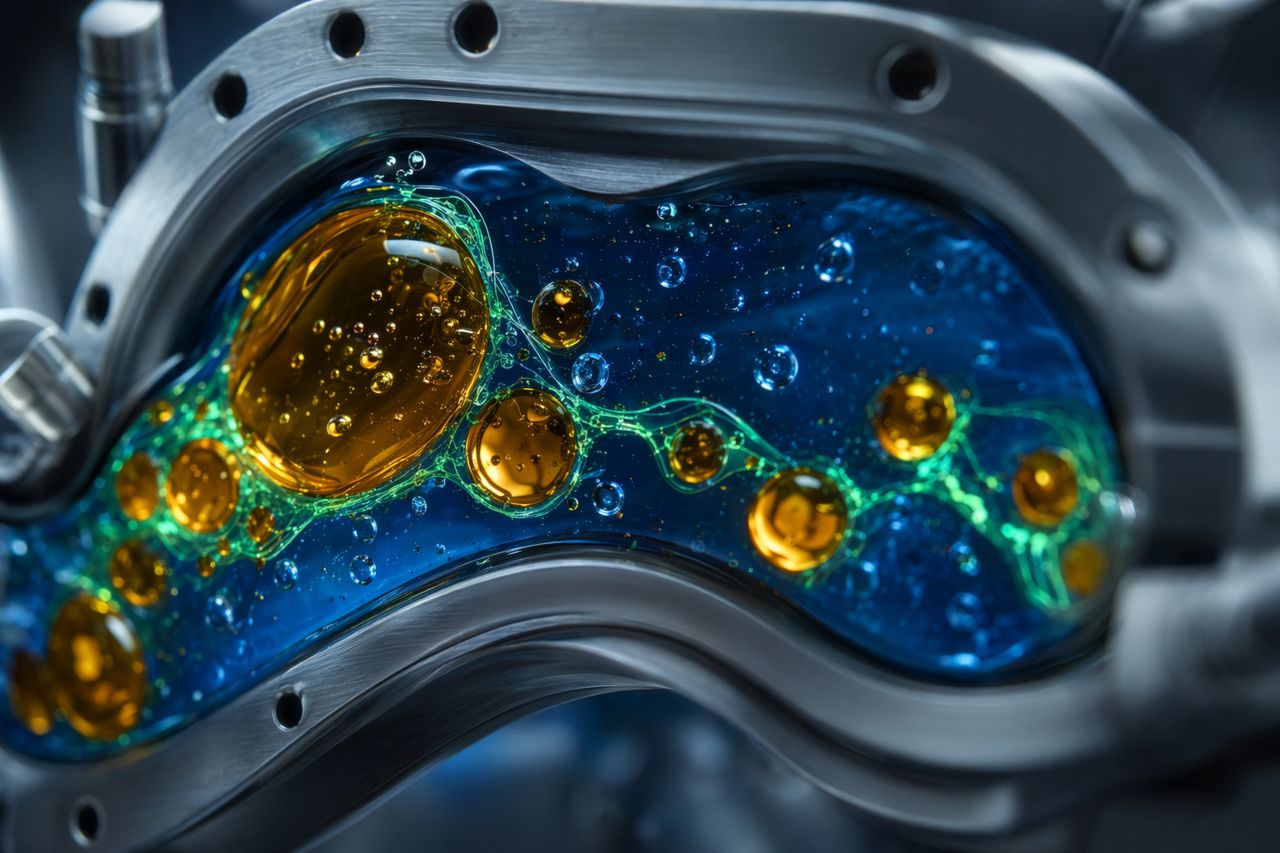
Lipase performs where the lipid phase meets the polar phase. This interfacial behavior matters. Alcohol availability, droplet size, mixing intensity, water content, and impurity load can all affect how efficiently the enzyme reaches and converts the substrate.
A good enzymatic biodiesel process is therefore not just a recipe. It is an interface-management problem: keep the oil accessible, meter alcohol without deactivating the catalyst, control water activity, and preserve separation quality.
Suitable feedstocks
Lipase can be evaluated across a wide range of renewable lipid sources, including:
- Waste cooking oil and used frying oil
- High-FFA vegetable oil fractions
- Acid oils and soapstock-derived fatty materials
- Animal fat and rendered lipid streams, where permitted by local regulation
- Non-edible oilseed sources
- Blended renewable feedstocks with variable glyceride and fatty acid profiles
For new projects, Lipase Enzyme Solutions recommends screening the actual feedstock, not only a refined model oil. Trace metals, residual detergents, oxidation products, polymerized lipids, and fine solids can influence enzyme performance and separation behavior.
Process considerations for application teams
Alcohol dosing strategy
Short-chain alcohols can be necessary reactants and enzyme stressors at the same time. Staged or controlled alcohol addition is often considered to maintain conversion while protecting catalyst function. The right approach depends on the feedstock, target ester profile, enzyme format, and reactor configuration.
Water management
Lipase requires a controlled microenvironment, but excess water can shift equilibria, influence hydrolysis, and complicate ester yield. The practical goal is not simply dry or wet processing; it is controlled water activity matched to the selected reaction route.
Mixing and mass transfer
Because lipase acts at interfaces, mixing quality affects reaction access. Too little dispersion can limit contact; excessive shear may create persistent emulsions or stress certain immobilized catalyst systems. Pilot testing should evaluate conversion and phase separation together.
Enzyme format selection
Biodiesel projects commonly compare liquid enzyme systems and immobilized enzyme formats. Liquid systems may suit certain single-use or integrated reaction schemes. Immobilized systems may be considered where catalyst recovery, reuse, packed-bed operation, or continuous processing is part of the economic model.
Lipase Enzyme Solutions can help buyers define which format is appropriate for their feedstock and process intent before procurement is finalized.
Where lipase fits
Lipase is positioned for industrial biodiesel teams that require reliable sourcing and application-relevant support, including:
- High-FFA and waste-oil biodiesel development
- Enzymatic pretreatment ahead of downstream ester production
- Full enzymatic esterification-transesterification routes
- Feedstock flexibility programs for renewable diesel and biodiesel producers
- Pilot-scale evaluation before commercial enzyme commitment
- Supplier qualification for recurring industrial purchasing
We support technical buyers with product discussion, application matching, documentation review, and quote-ready commercial coordination.
Buyer checklist: information to share
To recommend the right lipase configuration and quotation path, prepare the following details if available:
- Feedstock type and approximate composition
- Free fatty acid range and moisture profile
- Alcohol type under consideration
- Batch, continuous, or hybrid reactor concept
- Current catalyst route, if replacing or supplementing an existing process
- Desired ester specification and downstream separation constraints
- Preferred enzyme format, if already defined
- Target purchase volume and rollout timeline
If some information is not yet available, we can still begin with a technical intake and help define the screening plan.
Request pricing for biodiesel lipase
Use the form below to request a quote or get pricing for lipase suited to enzymatic biodiesel production. Your inquiry goes directly to the Lipase Enzyme Solutions team for application review and commercial follow-up.
Practical next step
Send the feedstock profile you have, even if it is incomplete. Lipase Enzyme Solutions will help identify whether lipase is a fit for your biodiesel route, what process variables deserve early testing, and what commercial supply path makes sense for your production plan.
Request a bulk lipase quote
Wholesale and bulk supply for manufacturers, formulators and resellers. To get a quote, send the product you make, the quantity per order or per month, and the destination country, and tell us your application and preferred format (powder, liquid or granule). Pricing, pack format and lead time are quoted per order, and we tell you which documents are available for that grade.