Lipase Enzyme Applications, Processing Uses, and Buying Guidance
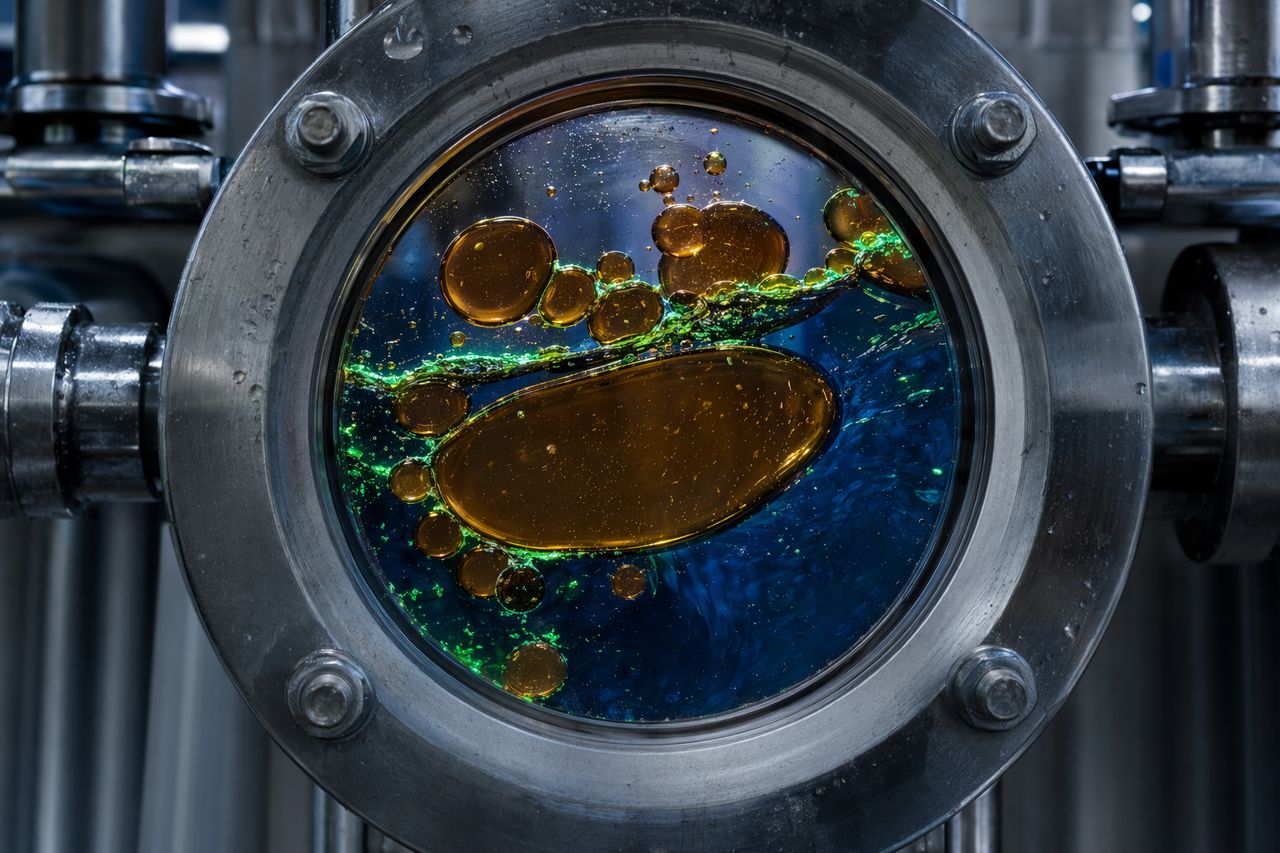
Lipase is the interface enzyme: it works where oil and water meet. For industrial teams, that makes it valuable in processes where fats, oils, esters, emulsions, and surface-active systems determine product quality, yield, texture, cleaning performance, or downstream separation.
OleoQuay helps buyers evaluate Lipase (triacylglycerol acylhydrolase) for practical manufacturing use: not as a generic catalog line, but as a process variable with substrate fit, formulation constraints, regulatory needs, and supply continuity behind it.
What lipase does
Lipase catalyzes reactions involving triglycerides and related esters. Depending on process conditions and enzyme type, it can support:
- Hydrolysis of triglycerides into fatty acids, mono- and diglycerides, and glycerol
- Esterification and transesterification in low-water or controlled-moisture systems
- Selective modification of fats and oils for functional performance
- Flavor development through controlled release of fatty acids
- Soil breakdown in detergent and cleaning formulations
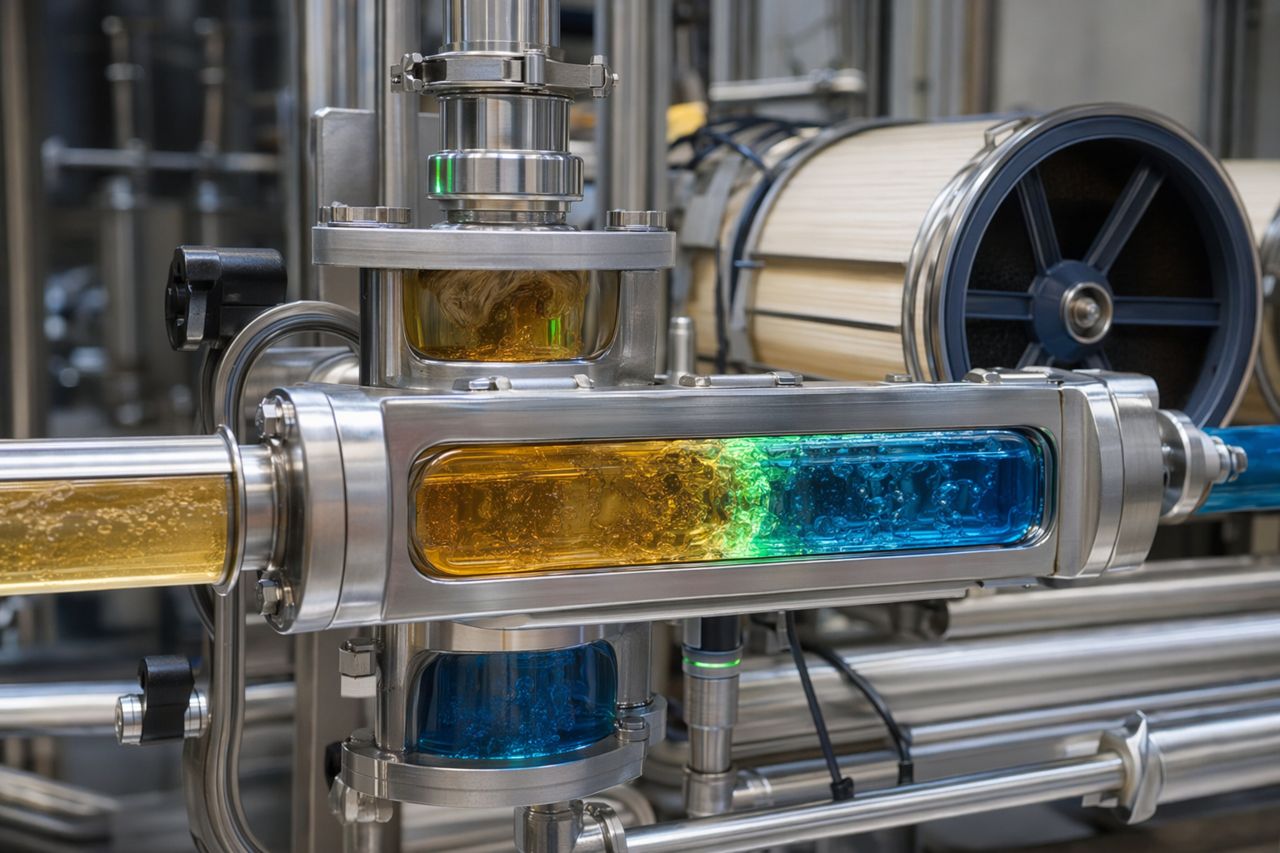
- Interfacial reactions in emulsified or heterogeneous process streams
The key commercial point: lipase performance is not defined by enzyme name alone. It depends on oil profile, chain-length preference, water availability, temperature exposure, pH window, mixing intensity, surfactants, solvents, salts, and product-end requirements.
Where industrial lipase is used
Oils, fats, and oleochemical processing
Lipase can be used to modify lipid structures with more controlled reaction pathways than harsh chemical processing in selected applications. Buyers often evaluate it for specialty fats, structured lipids, partial hydrolysis, ester production, and process routes that require milder conditions or improved selectivity.
Typical decision factors include feedstock variability, free fatty acid targets, moisture control, catalyst reuse potential, filtration load, and compatibility with downstream refining or purification.
Food processing and flavor systems
In food applications, lipase may support dairy flavor generation, fat modification, bakery performance, and savory or creamy note development. Application scientists generally screen lipase by substrate preference, sensory impact, heat tolerance, process timing, and labeling requirements.
For food use, procurement should confirm grade, allergen position, carrier system, permitted processing aids, documentation package, and batch-to-batch consistency.
Detergents and industrial cleaning
Lipase helps break down oily and fatty soils in laundry, dish, institutional, and technical cleaning systems. The right lipase must survive formulation stress: surfactants, builders, oxidants, chelators, fragrance systems, storage conditions, and wash-temperature profiles.
Selection should focus on stain type, formulation pH, storage stability, granule or liquid compatibility, dust-control expectations, and performance in real-use soil matrices rather than isolated lab conditions.
Biodiesel and ester conversion
In biodiesel and ester manufacturing, lipase may be considered where feedstocks contain high free fatty acids, where mild processing is preferred, or where immobilized systems can support repeated use. Process feasibility depends on alcohol management, water control, enzyme format, feedstock contaminants, and separation design.
Lipase routes are most compelling when selectivity, feedstock tolerance, or downstream simplification offsets enzyme and residence-time costs.
Pharmaceuticals, nutraceuticals, and fine chemicals
Lipase is valued in selective synthesis and resolution work because many lipases show regioselectivity or enantioselectivity under defined conditions. Buyers in fine-chemical environments should evaluate documentation depth, impurity risk, solvent compatibility, immobilized support behavior, and change-control expectations.
The buying question is rarely only price. It is whether the enzyme can hold selectivity and process behavior across scale, solvent exposure, and campaign timing.
Waste treatment, leather, and textile adjacencies
In high-fat waste streams or surface-treatment processes, lipase can help reduce lipid load, improve biological treatability, or prepare substrates for subsequent processing. In these applications, robustness matters: temperature swings, variable feed, salts, surfactants, and residence time can determine success or failure.
Choosing the right lipase
A useful lipase inquiry starts with the process, not the product code. Before requesting pricing, define:
- Substrate: triglyceride source, ester type, fat blend, soil matrix, or feedstock composition
- Desired reaction: hydrolysis, esterification, transesterification, interesterification, flavor release, or cleaning action
- Product target: fatty acid profile, sensory note, conversion range, viscosity shift, stain removal, or separation improvement
- Process format: batch, continuous, immobilized bed, stirred tank, emulsion, powder blend, liquid formulation, or granulated detergent
- Conditions: temperature window, pH range, moisture level, solvent or surfactant exposure, salts, metals, and oxidation stress
- Compliance needs: food, feed, technical, cosmetic, detergent, pharmaceutical, or fine-chemical documentation
- Commercial constraints: pack size, lead time, shelf life, packaging, storage, and change-control sensitivity
Free versus immobilized lipase
Free lipase is often preferred for dispersed reactions, food systems, cleaning products, and processes where the enzyme acts once and remains within or is removed from the matrix. It can be cost-effective and easier to dose, but may be harder to recover.
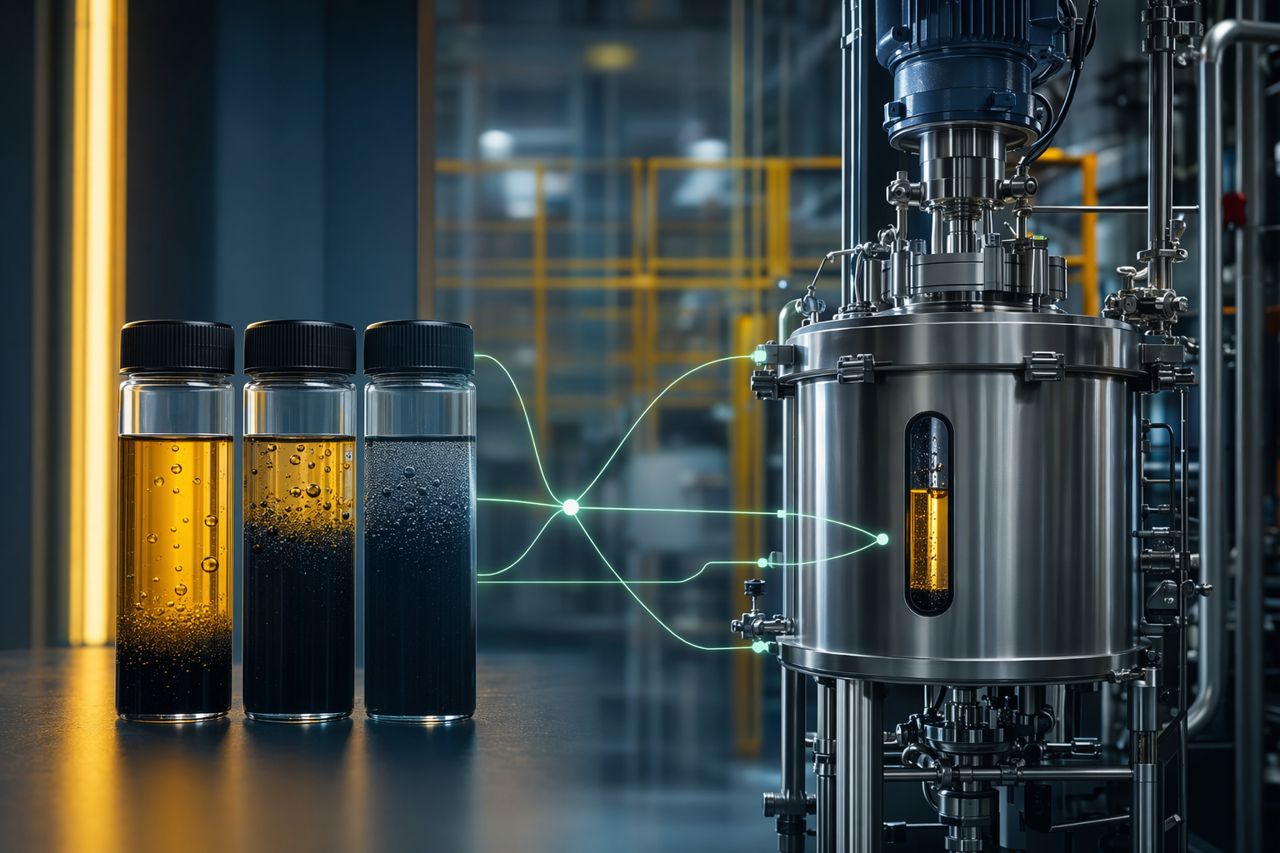
Immobilized lipase is useful when reuse, continuous operation, solvent exposure, or cleaner downstream separation is important. It can reduce purification burden and support packed-bed designs, but requires attention to mechanical stability, mass transfer, support compatibility, and long-run fouling.
What makes lipase procurement different
Lipase is highly application-specific. Two products with similar descriptions can behave differently against the same oil, emulsion, detergent base, or solvent system. Practical procurement should therefore combine documentation review with application screening.
OleoQuay supports buyers with a clear evaluation path:
- Confirm use case and regulatory grade
- Match enzyme format to process design
- Review compatibility risks before sampling
- Define commercial pack size and supply schedule
- Align specification, documentation, and change-control needs
- Move from lab screen to pilot and repeat supply planning
Buyer checklist
Use this checklist before requesting a quote:
- What material must the lipase act on?
- Is the target hydrolysis, ester formation, transesterification, or cleaning performance?
- Will the process be aqueous, low-water, emulsified, solvent-containing, or formulated?
- Is the enzyme expected to remain active during storage, or only during processing?
- Are food-grade, technical-grade, detergent-grade, or fine-chemical documentation packages required?
- Is a liquid, powder, granule, or immobilized form preferred?
- Are there temperature, pH, surfactant, solvent, oxidant, or salt stressors?
- What packaging size, shelf-life expectation, and lead time are needed?
Get pricing for industrial lipase
Tell us what you are making, modifying, cleaning, or separating. OleoQuay will respond with a fit-for-purpose lipase recommendation, format options, documentation availability, and commercial pricing guidance.
Why OleoQuay
OleoQuay is built for industrial enzyme buyers who need direct, technically fluent support without inflated claims. Lipase sits at the boundary between chemistry and process engineering; we treat it that way. Clear fit. Practical constraints. Commercial answers.