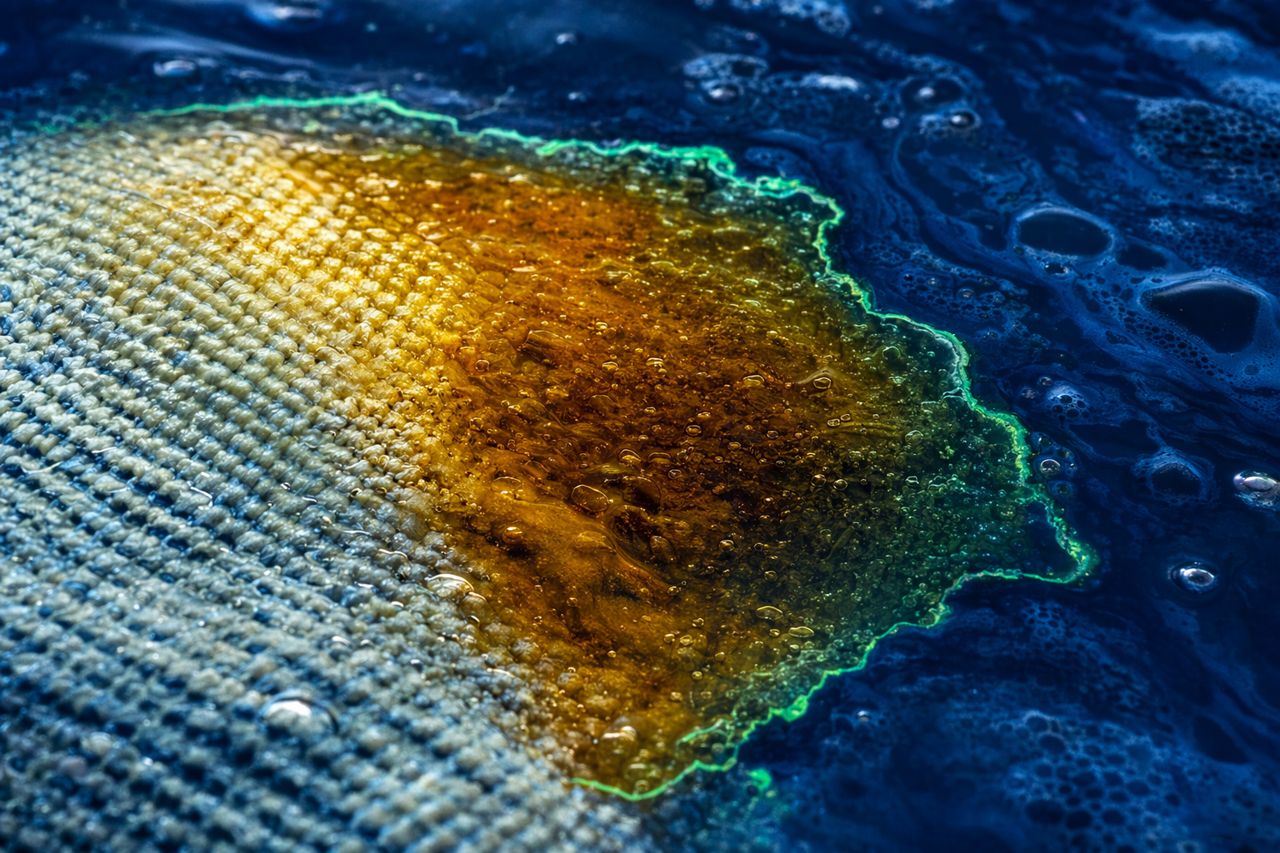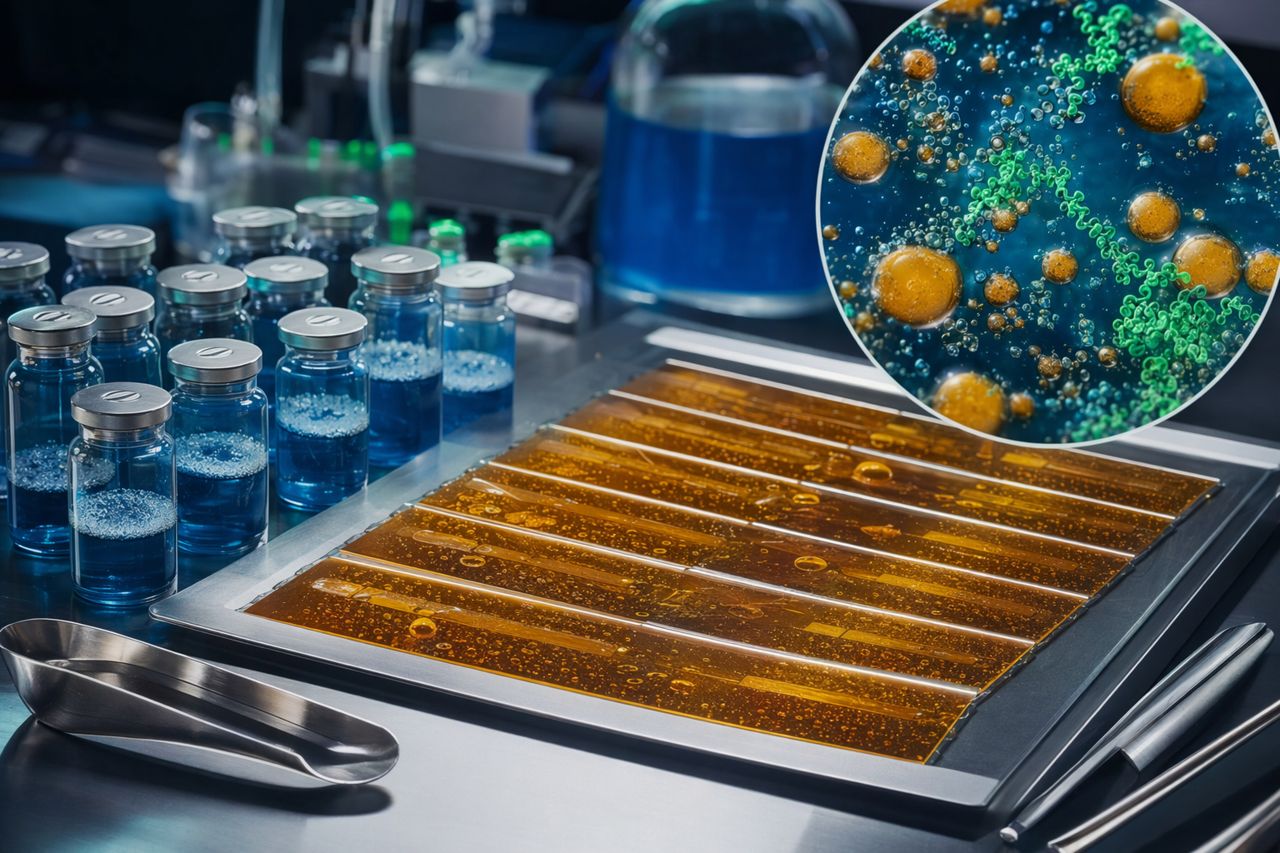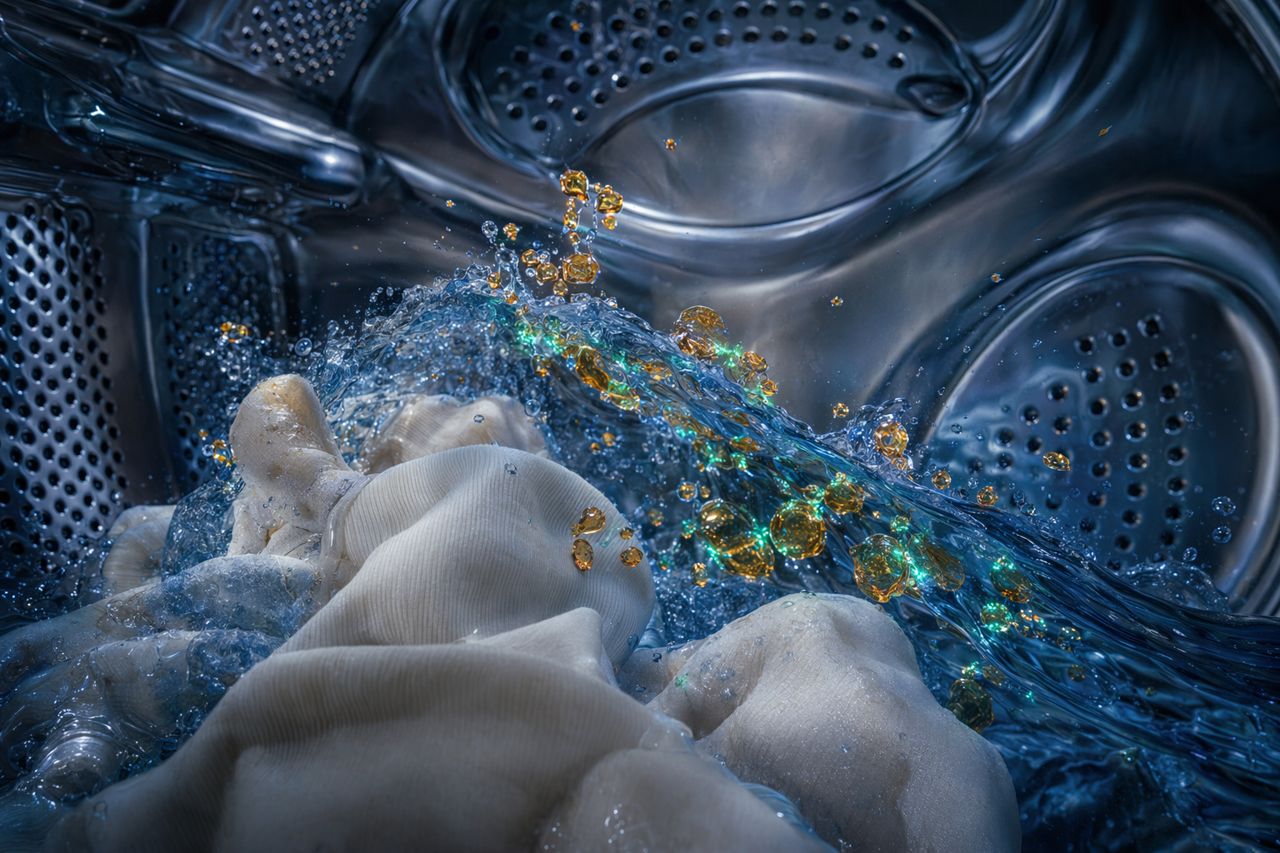

Wholesale lipase for laundry detergent manufacturers, private-label brands, contract fillers and institutional laundry suppliers who need fat and sebum stain removal. Format and pricing are quoted per order against your detergent system.
Request a quote: send the product you make, the quantity per order or per month, and the destination country. Request a quote
Lipase for laundry detergents and fat stain removal
Greasy laundry soils behave differently from particulate dirt or protein stains. Sebum, cooking oils, butter, sauces, and cosmetic oils spread into textile fibers, resist wetting, and can redeposit during the wash. Lipase (triacylglycerol acylhydrolase) gives detergent systems a targeted route to break down triglyceride-rich soils at the oil-water interface, improving removal where surfactants alone can struggle.
Lipase Enzyme Solutions supports detergent manufacturers with lipase options for powders, liquids, unit-dose formats, pretreatment products, and institutional laundry systems.
What lipase does in a detergent system
Lipase catalyzes the hydrolysis of ester bonds in triglycerides. In practical laundry terms, it helps convert hydrophobic fat and oil soils into smaller, more dispersible lipid fragments that are easier for surfactants, builders, and mechanical action to lift from fabric.
Target stains and soils
Lipase is commonly used to improve cleaning performance on:
- Human sebum on collars, cuffs, pillowcases, sportswear, and undergarments
- Cooking oils, frying oils, salad oils, and butter-based stains
- Greasy food soils from sauces, dressings, dairy, and processed meals
- Cosmetic oils, body lotions, makeup residues, and sunscreen-related lipid soils
- Aged lipid soils that have partially oxidized or become embedded in fibers
Why detergent formulators use lipase
Better grease removal at consumer-relevant wash conditions
Modern laundry markets increasingly demand strong stain removal in short cycles, lower wash temperatures, mixed-fabric loads, and reduced-water machines. Lipase helps detergent systems attack oily soils under those practical constraints.
Cleaner fabric feel and appearance
By reducing residual lipid films, lipase can support brighter-looking fabrics, reduced dinginess, improved freshness perception, and less oily hand-feel after repeated washing.
Performance support in compact formulations
As detergent formats become more concentrated, every ingredient must earn its place. Lipase adds biochemical specificity: it targets lipid soils directly while working alongside surfactants and other cleaning enzymes.
Useful across multiple laundry formats
Lipase can be considered for:
- Heavy-duty laundry powders
- Concentrated liquid detergents
- Unit-dose capsules and pods
- Laundry bars and paste formats where applicable
- Spray or gel pretreaters for grease-heavy stains
- Institutional and hospitality laundry detergents
Formulation considerations for laundry lipase
A successful detergent enzyme is not selected only for catalytic function. It must survive the formulation, remain compatible with the cleaning system, and deliver visible benefit in the wash.
pH and temperature profile
Laundry detergents often operate in mildly alkaline to alkaline conditions and across a wide temperature range. Lipase selection should match the intended wash profile, including low-temperature cleaning, warm wash performance, and local consumer habits.
Surfactant compatibility
Lipase must function in the presence of anionic, nonionic, amphoteric, or blended surfactant systems. The best fit depends on surfactant loading, solvent package, water hardness strategy, and the target detergent format.
Oxidant and bleach environment
Bleach systems, peroxide donors, activators, and transition-metal catalysts can place stress on enzymes. Powder formulations may use enzyme granulates or protective strategies. Liquid systems may require stabilization against water activity, solvents, and reactive components.
Multi-enzyme compatibility
Lipase is often formulated with protease, amylase, cellulase, mannanase, pectinase, or other specialty enzymes. Compatibility should be assessed for storage stability, mutual degradation risk, and cleaning contribution on mixed soils.
Fabric and soil matrix
Cotton, polyester, polycotton, synthetics, and performance fabrics interact differently with oily soils. Sebum on polyester sportswear, for example, can be especially persistent. Test design should reflect the fabric and stain profile of the target market.
Where lipase adds the most value
Sebum and body soil removal
Body soils are complex mixtures of triglycerides, wax esters, fatty acids, proteins, salts, and particulate matter. Lipase addresses the lipid fraction, helping the broader detergent system remove embedded residues from collars, cuffs, pillowcases, and athletic garments.
Food grease and sauce stains
Many visible stains are mixed soils: tomato sauce may include oil, protein, starch, pigment, and spices. Lipase supports the grease-removal portion of the cleaning task and can complement amylase and protease in multi-enzyme formulations.
Cosmetics and personal-care residues
Cosmetic oils, lotions, and sunscreen residues can adhere strongly to textiles. Lipase can help reduce the oily component, improving the chance that surfactants and builders can remove the remaining soil matrix.
Institutional laundry
Hospitality, food service, workwear, and healthcare-adjacent laundries often face repeated lipid loading. Lipase can support consistent cleaning across high-throughput wash programs where temperature, cycle length, and fabric turnover are tightly managed.
How to evaluate lipase for detergent development
Lipase Enzyme Solutions recommends evaluating lipase in the full detergent system rather than as an isolated ingredient. Useful screening work typically includes:
- Stain panel testing with sebum, cooking oils, butter, sauce, and cosmetic soils
- Fresh and aged stain comparisons
- Cotton, polyester, and blended-fabric assessments
- Low-temperature, warm-temperature, and region-specific wash cycles
- Hard-water and soft-water performance checks
- Liquid or powder storage stability under realistic packaging conditions
- Compatibility checks with surfactants, builders, chelants, preservatives, bleach systems, and other enzymes
- Visual cleaning, reflectance, residual odor, and fabric-feel observations
This approach gives purchasing, formulation, and application teams a practical view of performance before scale-up.
Supply forms and integration
Depending on the detergent format, lipase may be supplied in forms suitable for dry blending, liquid incorporation, or protected delivery. Selection should consider dust control, storage stability, process temperature, shear exposure, packaging, and the order of addition during manufacturing.
For liquid detergents, stabilization is typically central to the development plan. For powder detergents, granule integrity, segregation behavior, and compatibility with alkaline builders and oxidizing components are key concerns.
Buyer checklist
When specifying lipase for laundry detergent, align internally on:
- Target product format: powder, liquid, unit dose, bar, paste, or pretreater
- Priority stains: sebum, food grease, butter, sauces, cosmetics, or institutional soils
- Wash conditions: temperature range, cycle length, water hardness, and pH profile
- Formulation environment: surfactants, builders, solvents, bleach, preservatives, and other enzymes
- Stability expectations: warehouse conditions, shelf life target, and packaging format
- Testing method: stain panels, fabrics, consumer-relevant wash protocols, and scale-up milestones
- Regulatory and documentation needs for the intended market
Request detergent lipase pricing
Tell us the detergent format, target stains, and formulation constraints. Lipase Enzyme Solutions will help identify a lipase option for evaluation and provide pricing for your project.
Request a bulk lipase quote
Wholesale and bulk supply for manufacturers, formulators and resellers. To get a quote, send the product you make, the quantity per order or per month, and the destination country, and tell us your application and preferred format (powder, liquid or granule). Pricing, pack format and lead time are quoted per order, and we tell you which documents are available for that grade.