
For manufacturers, formulators and resellers new to buying lipase in bulk. Wholesale supply is quoted per order against your application.
Request a quote: send the product you make, the quantity per order or per month, and the destination country. Request a quote
What Is Lipase?
Lipase is an industrial enzyme used to transform fats, oils, and lipid-based materials with high selectivity. Its proper biochemical name is Lipase (triacylglycerol acylhydrolase), reflecting its core role: acting on triacylglycerols, the main molecules in edible oils, animal fats, greases, and many process residues.
For industrial buyers, lipase is not just a “fat-digesting” enzyme. It is a controllable processing tool for hydrolysis, ester modification, flavor development, degreasing, fat restructuring, and lipid conversion in aqueous, low-water, or immobilized systems.
Lipase, in one sentence
Lipase catalyzes reactions at lipid interfaces, helping split or rearrange ester bonds in fats and oils so processors can create cleaner streams, modified lipid profiles, or more efficient conversion routes.
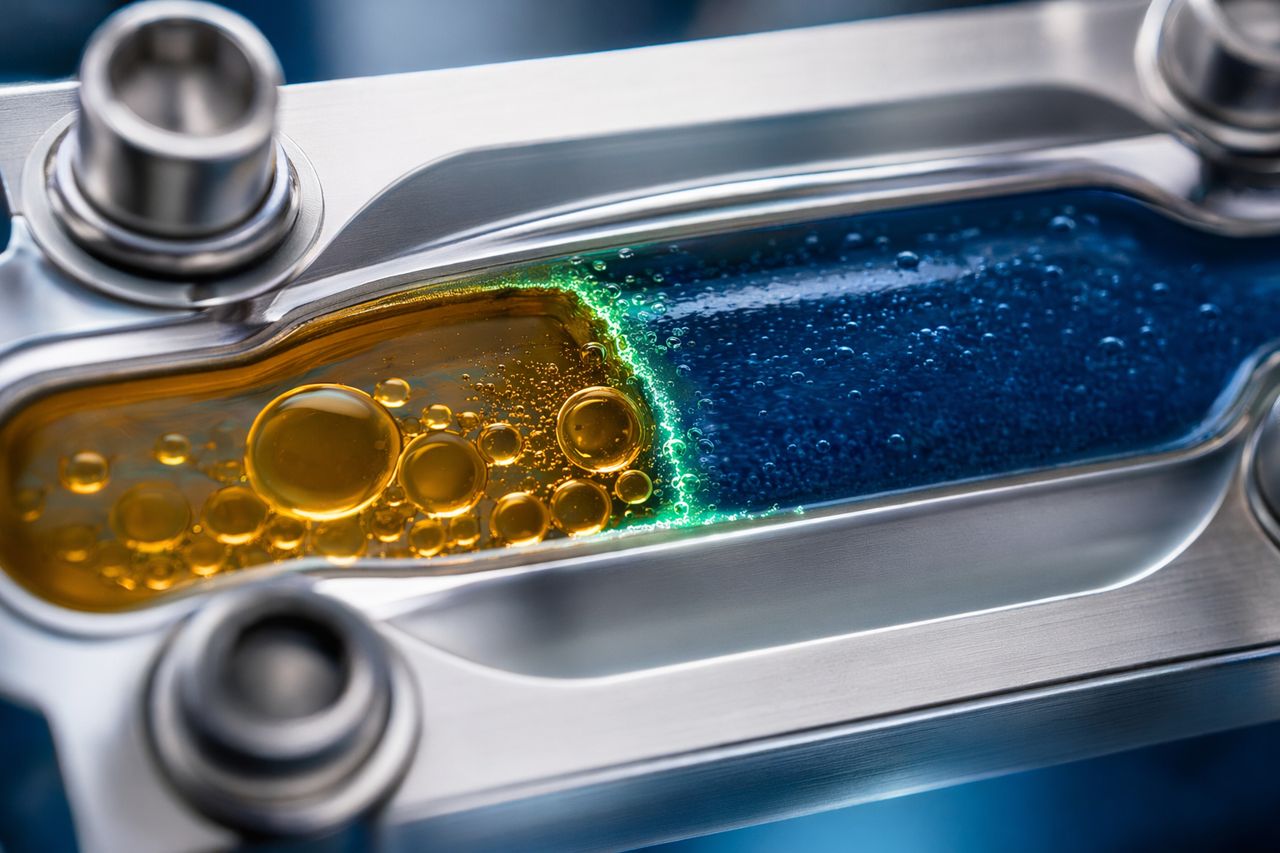
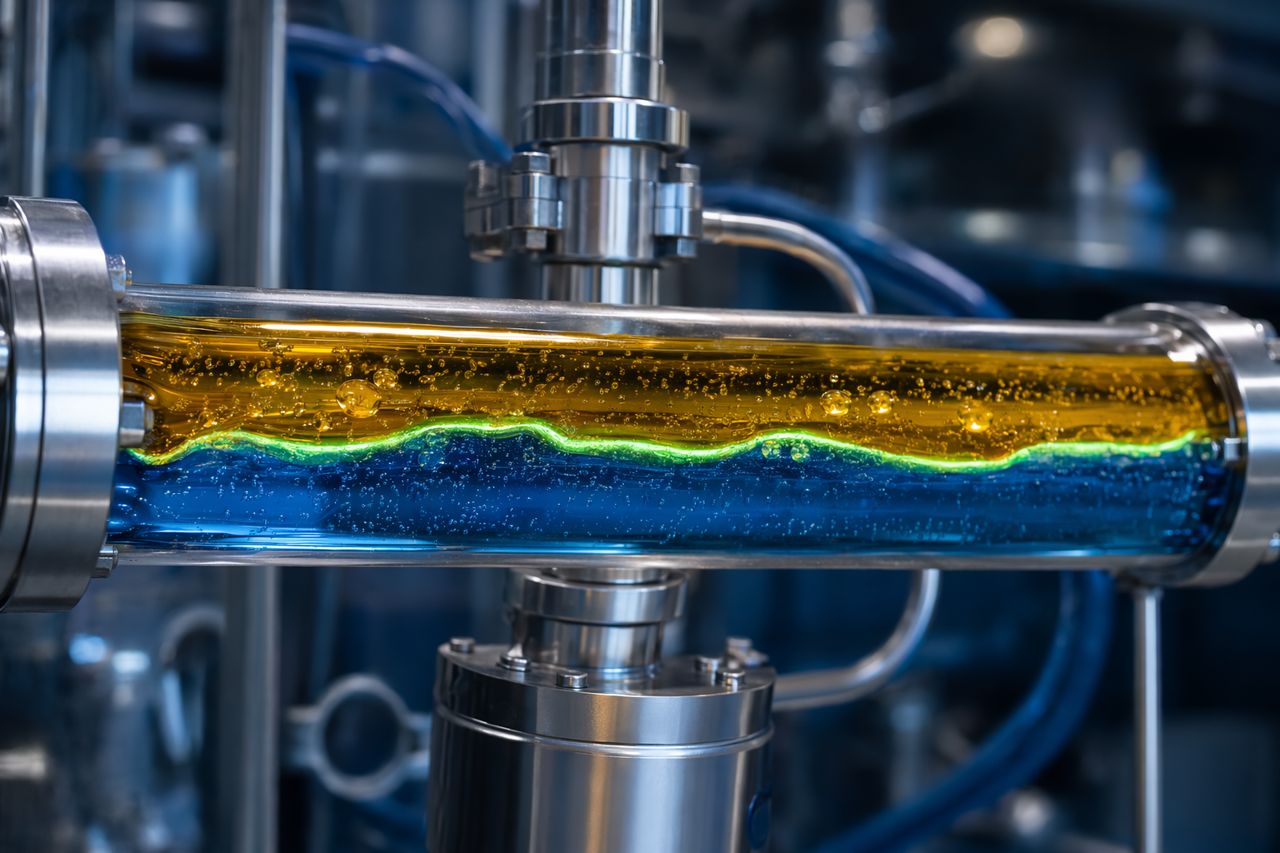
That interface behavior is what makes lipase commercially valuable. Unlike enzymes that operate mainly in fully dissolved systems, lipase often works where two phases meet: oil and water, fat and detergent liquor, lipid film and fabric, or feedstock and reaction medium.
How lipase works
Most industrial lipase applications involve one or more of these reaction modes:
- Hydrolysis: triglycerides are converted into free fatty acids, partial glycerides, and glycerol.
- Esterification: fatty acids and alcohols are joined to form esters under suitable low-water conditions.
- Transesterification: acyl groups are transferred between alcohols and lipid substrates, useful in oleochemical and bio-based processing.
- Interesterification: fatty acid positions on glycerol backbones are rearranged to modify melting behavior, texture, or functional properties.
Lipase typically shows preference for certain chain lengths, substrate structures, or positions on the glycerol backbone. That selectivity can reduce unwanted by-products and help steer the reaction toward a specific technical outcome.
Why the oil-water interface matters
Lipase is often described as interfacial because its performance depends strongly on how lipid substrate is presented. Droplet size, emulsification, mixing energy, surfactants, water content, and phase contact all influence the reaction.
In practical terms, the same enzyme can behave differently in:
- a dairy fat emulsion,
- a high-grease wastewater stream,
- a detergent wash liquor,
- a refined vegetable oil process,
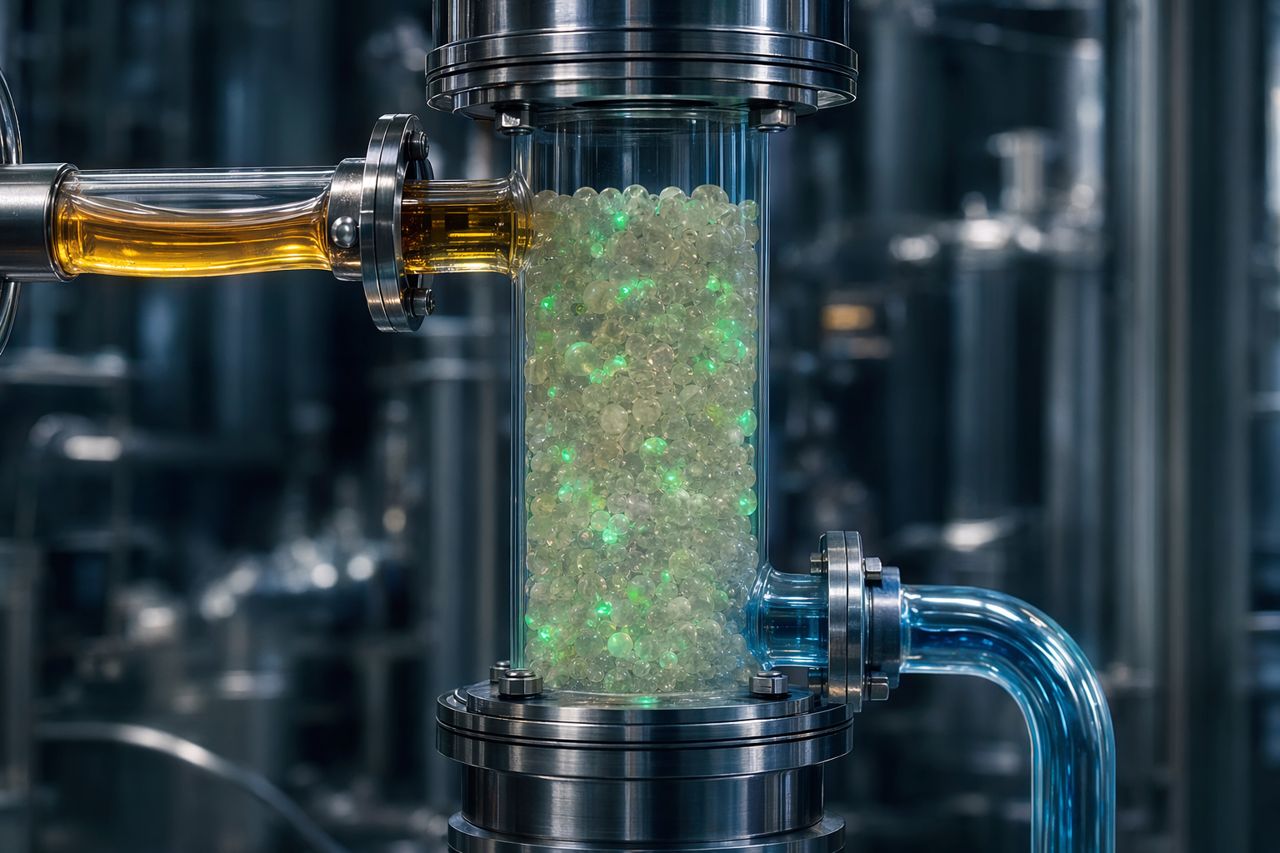
- an immobilized packed-bed reactor,
- or a solvent-reduced oleochemical system.
That is why lipase selection should be based on the real process matrix, not only on a generic enzyme description.
Common industrial uses of lipase
Food and flavor processing
Lipase can help generate flavor-active fatty acids and esters, modify dairy fat characteristics, support specialty oil processing, and tune texture or melting behavior in fat-based systems. Application fit depends on substrate source, regulatory status, sensory targets, and downstream separation requirements.
Detergents and cleaning products
In laundry and industrial cleaning, lipase helps break down fatty soils, sebum, grease, and oil residues. It is commonly evaluated for compatibility with surfactants, builders, oxidants, fragrance systems, and storage conditions.
Oleochemicals and bio-based conversion
Lipase is used in selective hydrolysis, ester synthesis, transesterification, and fat modification where chemical routes may be less selective or require harsher conditions. Immobilized lipases are often considered when reuse, continuous processing, or easier separation is important.
Wastewater and grease management
In waste streams containing oils, fats, and grease, lipase can improve lipid breakdown and reduce load on downstream treatment steps. Process success depends on contact time, temperature profile, mixing, emulsification, and compatibility with the broader microbial or chemical treatment program.
Pharmaceuticals, nutraceuticals, and fine chemicals
Lipase may be used where selective transformation of lipid-like substrates is required. Buyers in these segments typically focus on documentation, impurity profile, origin, consistency, and process control before scale-up.
Product formats buyers usually compare
Industrial lipase is commonly supplied in several formats:
- Liquid lipase for easy dosing, fast dispersion, and formulated cleaning or process liquids.
- Powder or granulated lipase for dry blends, improved handling, and concentrated logistics.
- Immobilized lipase for repeated use, continuous reaction systems, and easier enzyme separation.
- Formulated blends when lipase must work alongside protease, amylase, cellulase, surfactants, stabilizers, or process aids.
The right format depends on dosing method, storage conditions, worker handling requirements, reactor design, and whether the enzyme must remain in the final product or be removed.
What affects lipase performance?
A technically sound lipase evaluation should define the operating window before commercial selection. Key variables include:
- lipid source and fatty acid profile,
- water level and phase behavior,
- emulsion quality and mixing intensity,
- pH and temperature exposure,
- surfactant, solvent, salt, or oxidant compatibility,
- reaction direction: hydrolysis, synthesis, or rearrangement,
- desired endpoint and acceptable by-products,
- hold time, cleaning cycle, or residence time,
- downstream filtration, separation, or heat treatment,
- regulatory, allergen, and documentation needs.
For many projects, the critical question is not “Which lipase is strongest?” but which lipase gives the required conversion, selectivity, and stability in the actual process environment.
Lipase selection: what to specify before requesting pricing
To make sourcing faster and technically useful, prepare the following details:
- Application: food, detergent, oleochemical, wastewater, cosmetic, feed, or specialty synthesis.
- Substrate: oil, fat, grease, emulsion, ester, dairy lipid, vegetable oil, animal fat, or mixed waste stream.
- Process goal: hydrolysis, degreasing, flavor release, ester synthesis, fat modification, or conversion improvement.
- Operating conditions: pH range, temperature range, water content, mixing style, and contact time.
- Form preference: liquid, powder, granule, immobilized, or custom formulation.
- Compatibility constraints: surfactants, oxidants, solvents, salts, preservatives, or other enzymes.
- Commercial context: pilot trial, scale-up, replacement sourcing, cost reduction, or new product development.
- Documentation needs: food-grade, technical grade, origin statement, safety documentation, or other compliance files.
These details allow a supplier to recommend a realistic lipase candidate instead of a generic catalogue match.
Buyer takeaway
Lipase is a precision enzyme for lipid transformation. Its value comes from controlled action at interfaces: breaking, forming, or rearranging ester bonds in fats and oils under process-compatible conditions. When selected correctly, lipase can support cleaner reactions, milder processing, improved selectivity, and more efficient handling of lipid-rich materials.
Request a quote or get pricing
Tell us what you are trying to process, and Lipase Enzyme Solutions will route the request to the appropriate technical and commercial contact.
Request a bulk lipase quote
Wholesale and bulk supply for manufacturers, formulators and resellers. To get a quote, send the product you make, the quantity per order or per month, and the destination country, and tell us your application and preferred format (powder, liquid or granule). Pricing, pack format and lead time are quoted per order, and we tell you which documents are available for that grade.