
For manufacturers and resellers deciding which lipase format to buy in bulk. Tell us the format you need; pack and pricing are quoted per order.
Request a quote: send the product you make, the quantity per order or per month, and the destination country. Request a quote
Lipase Powder vs. Liquid: Handling and Formulation Considerations
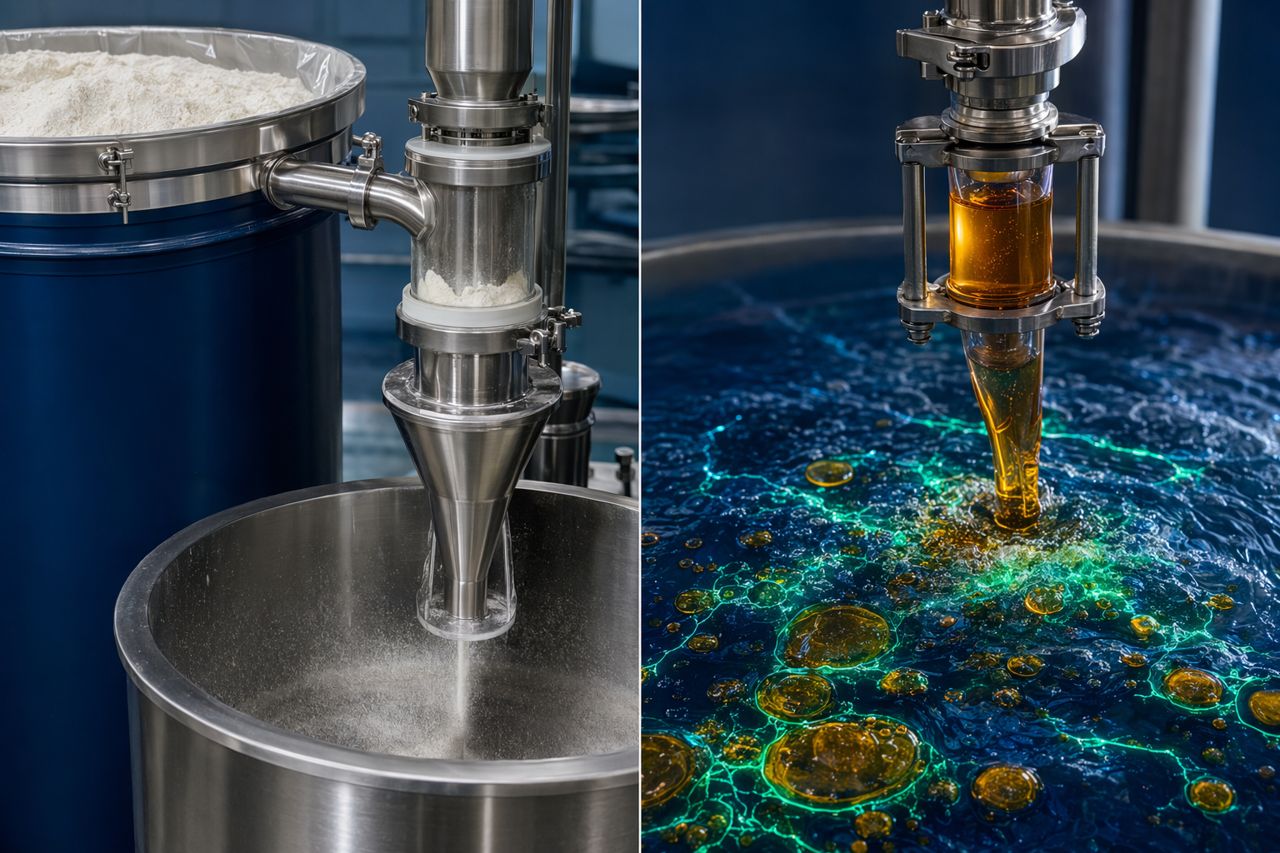
Choosing between lipase powder and liquid is not just a packaging decision. It affects dosing accuracy, plant hygiene, dispersion time, freight economics, shelf-life planning, and how the enzyme behaves inside the finished formulation.
Lipase — properly, Lipase (triacylglycerol acylhydrolase) — acts at oil-water interfaces, where triglycerides are hydrolyzed into smaller lipid fragments such as free fatty acids, partial glycerides, and glycerol. That interfacial behavior makes formulation format especially important. A lipase that looks strong on paper can underperform if it clumps, separates, denatures, or meets the substrate too slowly in the real process.
This guide compares powder and liquid lipase formats from a buyer and formulation perspective: what changes in handling, what to ask for during sourcing, and how to choose the format that fits your process.
Quick answer: when to choose powder vs. liquid
Choose lipase powder when you need:
- Lower water content and compact shipping weight
- Better fit for dry blends, tablets, granules, premixes, or detergent powders
- Longer inventory flexibility in many controlled storage environments
- Reduced risk of liquid leakage during transit
- Easier use where the process already includes a dry mixing step
- Higher concentration in a smaller pack size, depending on carrier and grade
Choose liquid lipase when you need:
- Direct metering into tanks, pipes, emulsions, or aqueous process streams
- Fast dispersion without pre-wetting or powder induction equipment
- Lower airborne dust exposure during handling
- Automated dosing through pumps, IBC systems, or skid-mounted process lines
- Better fit for liquid detergents, oil processing, wastewater treatment, and flow-through applications
- Simplified operator handling where manual weighing is a bottleneck
There is no universal winner. The right format is the one that gives you stable performance, controlled dosing, and clean integration into your production line.
What changes chemically and physically between formats?
The active catalytic protein may be similar, but the surrounding system is different.
A powder lipase typically contains the enzyme on or with a dry carrier system. The formulation may include stabilizing salts, carbohydrates, processing aids, dispersibility modifiers, or granulation support materials. Its behavior depends on particle size, moisture sensitivity, dust profile, and how quickly it wets into the process medium.
A liquid lipase is an aqueous or partially aqueous preparation. It commonly depends on pH control, stabilizers, preservatives, viscosity management, and microbial quality controls. Its performance depends on storage temperature, compatibility with other formulation components, and resistance to phase separation or precipitation.
For procurement teams, the key point is this: powder and liquid lipase should be evaluated as formulated industrial inputs, not interchangeable versions of the same molecule.
Handling comparison
| Factor | Lipase powder | Liquid lipase |
|---|---|---|
| Dosing method | Weighing, dry blending, powder induction, pre-slurry | Pumping, pouring, inline metering |
| Operator exposure | Dust control may be needed | Lower dust; splash management needed |
| Dispersion | May require controlled wetting | Usually disperses faster in aqueous systems |
| Cleaning | Dust can migrate around dry handling points | Spills require liquid containment and washdown |
| Packaging | Bags, drums, cartons, fiber drums | Drums, jerricans, IBCs, totes |
| Automation fit | Good for dry feeders and blending systems | Good for dosing pumps and process skids |
| Freight profile | Often more compact | Higher shipping weight due to water content |
| Cold-chain sensitivity | Grade-dependent | Often more temperature-sensitive |
Formulation considerations for lipase powder
1. Dust and containment
Powder lipase should be handled with appropriate industrial hygiene controls. Even well-granulated enzyme powders can produce fine particles during transfer, weighing, or blending. For facilities with manual tipping or open mixers, evaluate local exhaust ventilation, closed transfer, PPE requirements, and dust housekeeping procedures.
2. Moisture pickup
Lipase powders can be sensitive to humidity. Moisture may affect flow, clumping, carrier behavior, and long-term stability. If your plant has humid receiving areas or partially used bags remain open between batches, specify resealable packaging or smaller pack sizes.
3. Dry blend compatibility
Powder lipase can be convenient in detergent powders, premixes, solid processing aids, and dry industrial blends. However, check compatibility with alkaline builders, oxidants, surfactants, solvents carried on powders, and abrasive particulates. Physical contact during storage can matter as much as chemistry during use.
4. Wetting and clump control
Some powders hydrate on the outside and form clumps before the enzyme is fully dispersed. If your process requires rapid action at the lipid interface, test the powder under actual mixing energy, temperature, pH, salt level, and oil loading.
5. Segregation risk
In low-inclusion dry blends, particle size and density mismatch can cause segregation during vibration, transport, or hopper discharge. Ask for particle profile guidance if uniform distribution is critical.
Formulation considerations for liquid lipase
1. Pumpability and viscosity
Liquid lipase is usually easier to automate. Confirm whether the product remains pumpable across your storage and plant temperature range. Viscosity can change in cold warehouses, heated rooms, or outdoor IBC stations.
2. Preservative and microbial control
Because liquid enzyme formulations contain water, microbial control is a major specification area. Confirm preservative compatibility with your application, especially for food-adjacent, feed-adjacent, cosmetic, or discharge-sensitive uses.
3. pH and formulation compatibility
Liquid lipase can be affected by pH drift, surfactant systems, solvents, salts, chelants, fragrance components, and oxidizing agents. In liquid detergents and industrial cleaners, compatibility testing should include both fresh and aged formulation samples.
4. Separation and settling
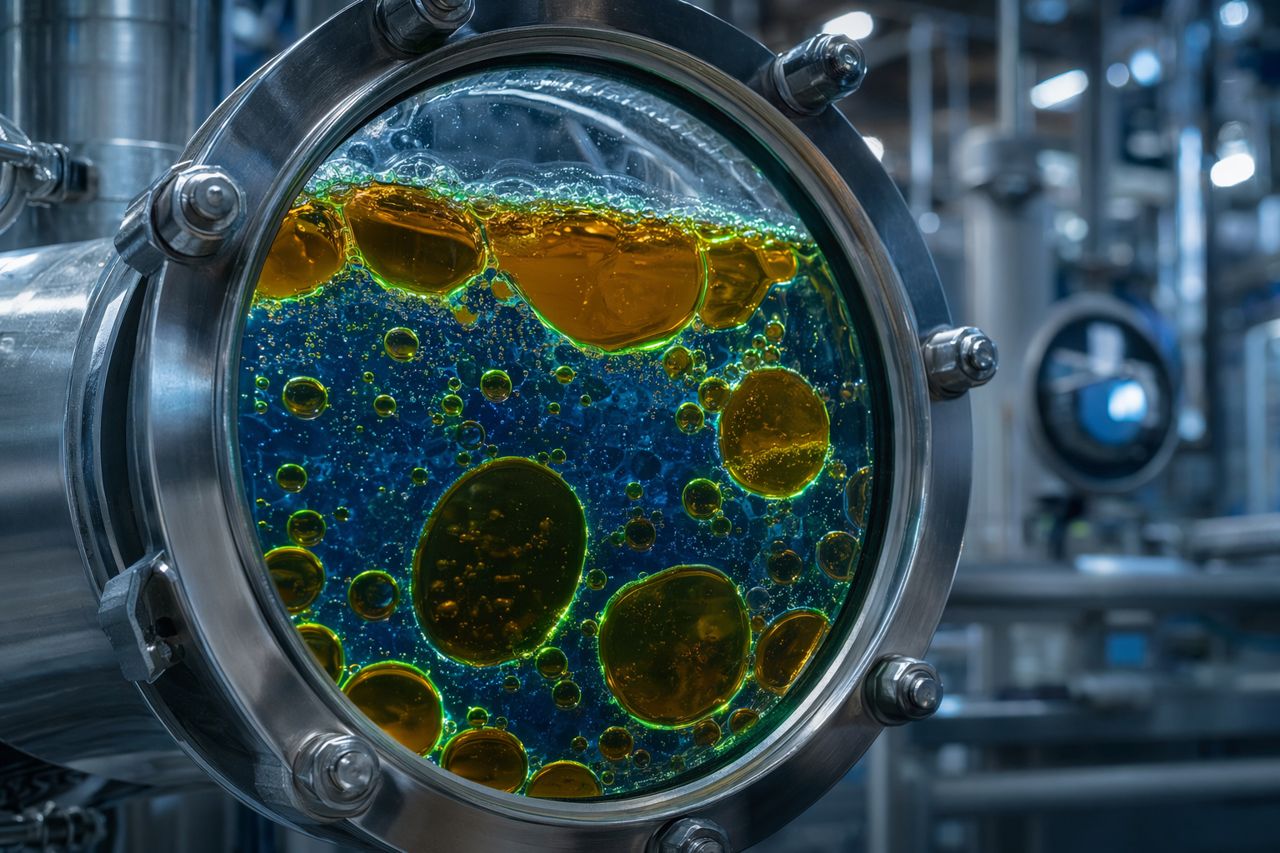
Some liquid enzyme products may show haze, sediment, or phase behavior over time. Ask what is normal, whether gentle mixing is recommended before use, and whether freeze-thaw exposure is acceptable.
5. Process dosing accuracy
Liquids are often easier to meter precisely in continuous operations. However, dosing accuracy depends on pump selection, line flushing, viscosity, temperature, and whether the enzyme is added before or after high-shear, high-temperature, or chemically aggressive steps.
Storage and shelf-life planning
Storage conditions should be treated as part of the specification, not an afterthought.
For powder lipase, focus on:
- Dry storage and humidity control
- Resealing after partial use
- Protection from heat and direct sunlight
- Dust-safe transfer and dispensing
- Lot traceability after repacking or internal subdivision
For liquid lipase, focus on:
- Temperature range during transport and storage
- Freeze protection where relevant
- Microbial quality over the intended use window
- Mixing instructions before dosing
- Container integrity, venting, and spill containment
Always validate stability under your own plant conditions. A laboratory storage result does not automatically represent a loading dock, tropical warehouse, outdoor tote station, or partially opened production drum.
Application fit: where each format usually works best
Detergent and cleaning formulations
Powder lipase fits dry detergent powders, granules, and compressed formats. Liquid lipase fits liquid laundry detergents, degreasers, enzyme cleaners, and automated dosing systems. In both cases, compatibility with surfactants, alkalinity, oxidants, and fragrance systems should be tested.
Fats, oils, and oleochemical processing
Liquid lipase can be attractive for stirred tanks, emulsions, and continuous feed systems where direct metering is preferred. Powder lipase may still be appropriate when the process uses a premix step or when compact shipping and inventory control are priorities.
Wastewater, drain, and grease management
Liquid formats often simplify dosing into aqueous streams, grease traps, and recirculation systems. Powder formats can work where dry handling is already established or where slow release from a solid blend is desired.
Feed, fermentation, and specialty processing
Format selection depends on downstream compatibility, regulatory positioning, thermal exposure, and how the enzyme is introduced. For any regulated end use, confirm documentation needs before sampling.
Procurement checklist: what to confirm before buying
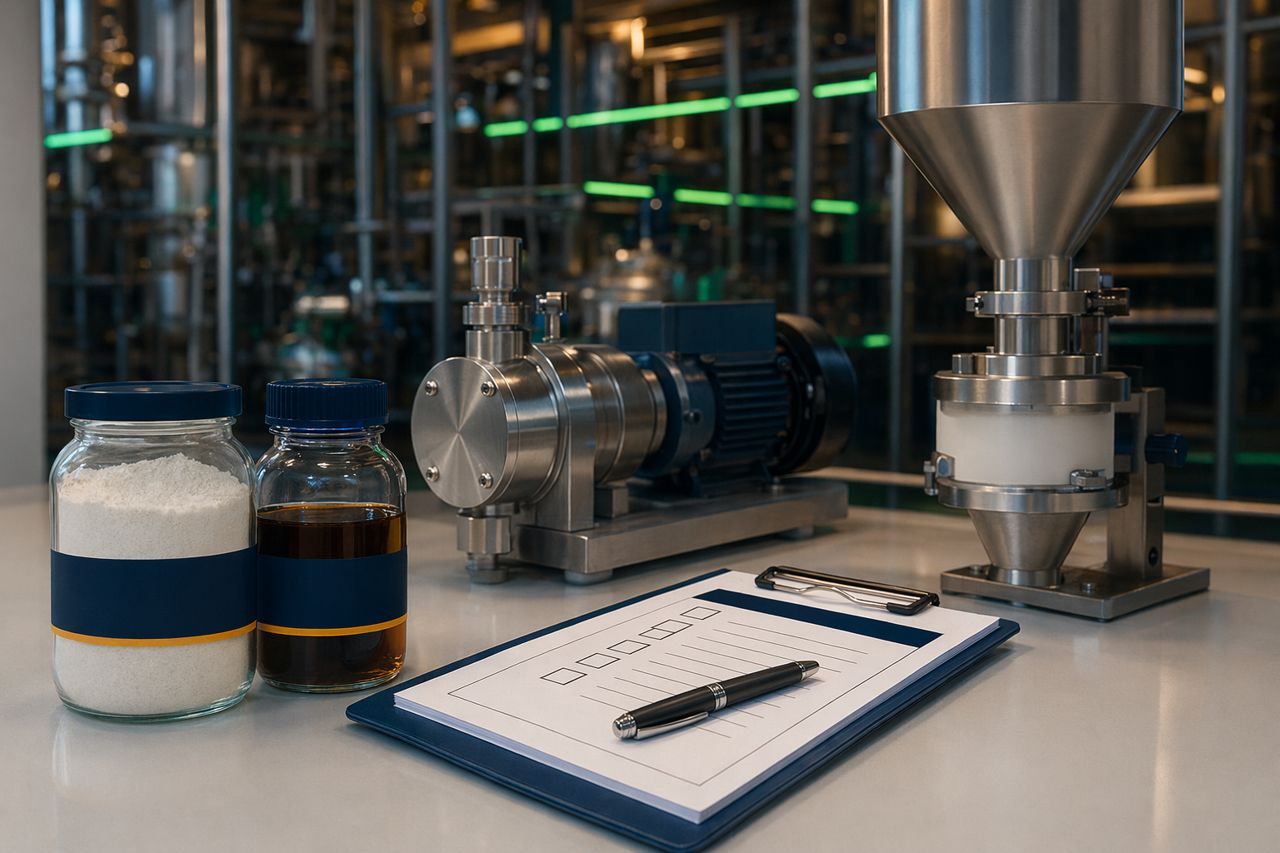
Use this checklist when comparing suppliers or requesting samples.
Product and documentation
- Enzyme identity: Lipase (triacylglycerol acylhydrolase)
- Physical form: powder, granule, liquid, or stabilized concentrate
- Recommended storage range and handling precautions
- Lot-to-lot consistency controls
- Certificate of analysis content, without relying on non-comparable internal test language
- Safety data sheet and transport classification
- Allergen, animal-origin, GMO, kosher, halal, food-grade, or feed-grade documentation if relevant
Formulation fit
- Target pH and temperature exposure in your real process
- Surfactant, solvent, salt, oxidant, and preservative compatibility
- Dispersion behavior under your mixing conditions
- Stability in the final formulation over the intended shelf window
- Any visible changes: haze, sediment, odor, clumping, phase separation
Operations and logistics
- Preferred pack sizes and minimum order quantities
- Pallet configuration and warehouse footprint
- Dust or spill controls required at the dosing point
- Pump, feeder, or induction equipment compatibility
- Lead time, batch reservation options, and change-control expectations
Cost comparison: do not compare package price alone
A lower price per kilogram may not mean lower cost in use. Build the comparison around total process cost.
Consider:
- Delivered freight weight and storage footprint
- Losses from dusting, residual liquid in containers, or line hold-up
- Labor time for weighing, charging, cleaning, and changeover
- Waste from expired or partially used packs
- Rework caused by poor dispersion or inconsistent dosing
- Packaging disposal and spill management
- Production downtime linked to format handling
Powder may win on freight and storage density. Liquid may win on dosing automation and dispersion speed. The economic answer depends on your plant flow, batch size, and how often the enzyme is used.
Sampling strategy: test the format, not just the enzyme
For meaningful comparison, run powder and liquid samples through the same decision path your full-scale operation will use.
Recommended evaluation sequence:
- Check documentation and regulatory fit before lab work.
- Screen compatibility in your formulation or process matrix.
- Observe dispersion, phase behavior, and appearance over time.
- Test under expected temperature, pH, salt, oil loading, and mixing conditions.
- Run aged-sample checks if the enzyme remains in a finished formulation.
- Confirm packaging, dosing method, and operator handling at pilot scale.
- Review landed cost and supply continuity before final approval.
The best lipase format is the one that survives the full path from receiving dock to reaction interface.
Decision guide
| If your priority is... | Usually evaluate first |
|---|---|
| Compact storage and dry blending | Powder lipase |
| Pumped dosing into tanks or lines | Liquid lipase |
| Low dust exposure | Liquid lipase |
| Low water contribution | Powder lipase |
| Fast dispersion in aqueous systems | Liquid lipase |
| Integration into powder detergents | Powder lipase |
| Automated continuous processing | Liquid lipase |
| Lowest freight weight | Powder lipase |
| Simplest manual pour-in dosing | Liquid lipase |
Use the table as a starting point, not a final specification. A well-stabilized liquid can outperform a poorly dispersing powder, and a well-granulated powder can be far cleaner to handle than expected.
Bottom line
Powder and liquid lipase formats solve different industrial problems. Powder is compact, dry-blend friendly, and often efficient to ship. Liquid is pumpable, fast to disperse, and well suited to automated wet processing. The right choice depends on your formulation chemistry, dosing equipment, storage environment, and quality documentation requirements.
Lipase Enzyme Solutions can help compare lipase formats against your process conditions, packaging needs, and procurement constraints.
Request a quote or get pricing
Tell us your application, preferred format, annual volume range, and target packaging. We will respond with fit-for-purpose lipase options and practical next steps.
Request a bulk lipase quote
Wholesale and bulk supply for manufacturers, formulators and resellers. To get a quote, send the product you make, the quantity per order or per month, and the destination country, and tell us your application and preferred format (powder, liquid or granule). Pricing, pack format and lead time are quoted per order, and we tell you which documents are available for that grade.