
For food manufacturers, flavour houses, ingredient blenders and distributors buying food-grade lipase in bulk for dairy, bakery, noodle, oil and flavour applications. Supply is quoted per order against your substrate and process.
Request a quote: send the product you make, the quantity per order or per month, and the destination country. Request a quote
Lipase in Food Processing
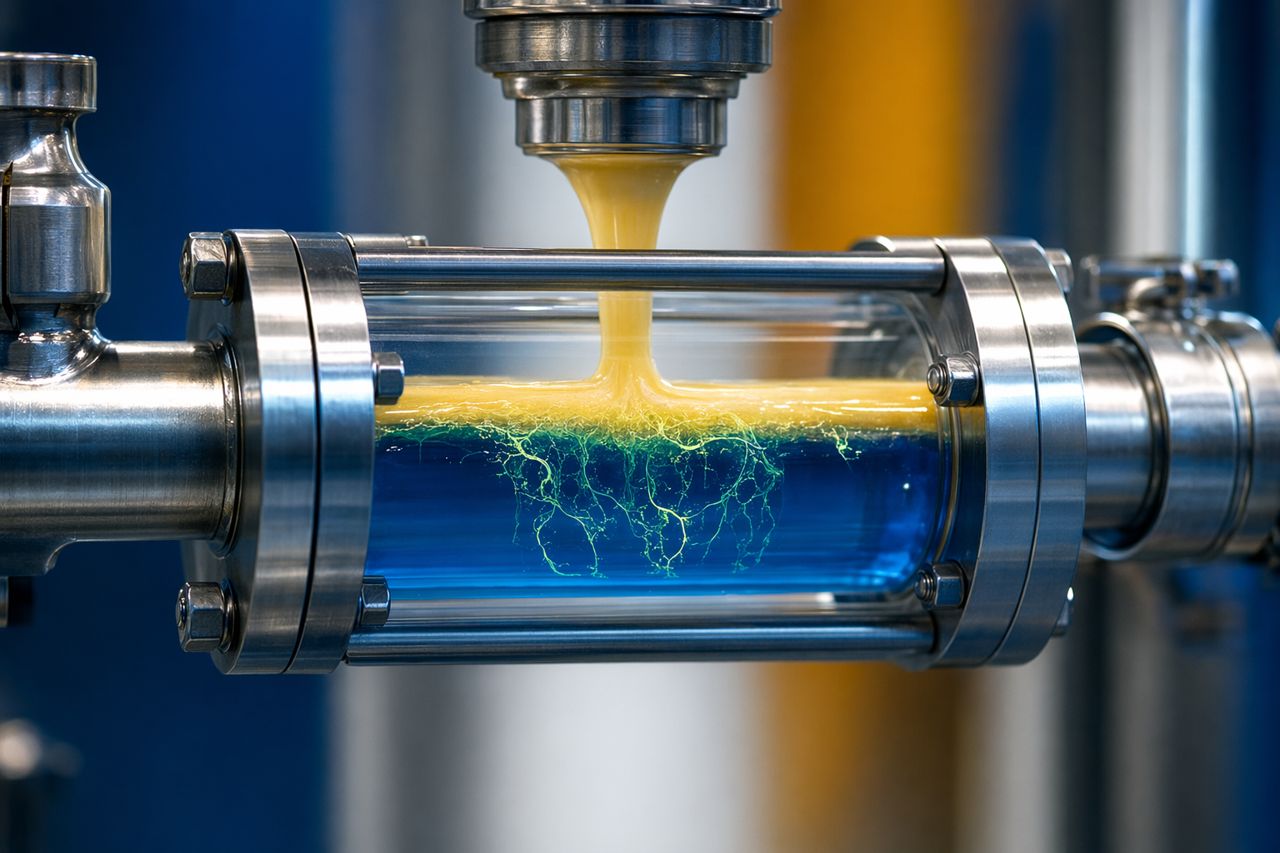
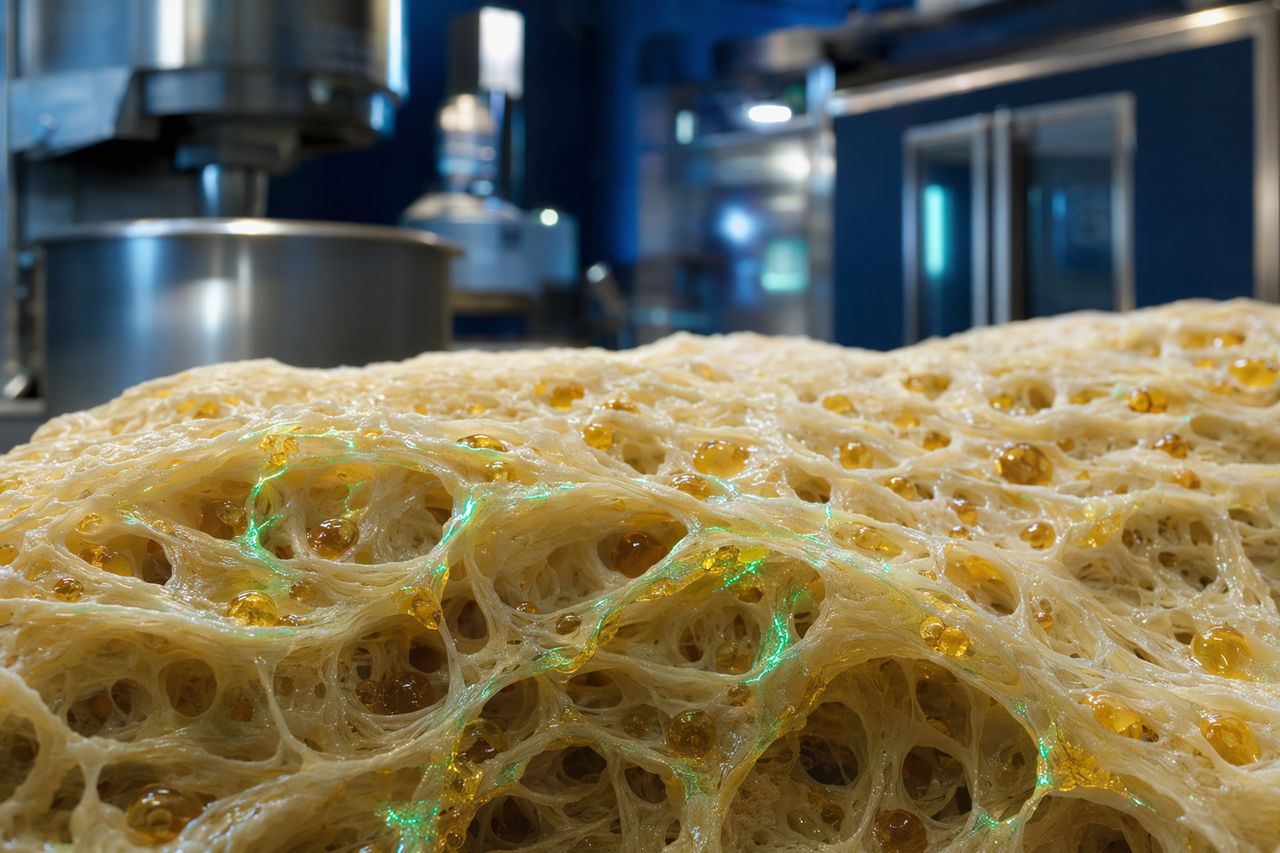
Lipase (triacylglycerol acylhydrolase) is an interface-driven enzyme for modifying fats and oils with precision. In food manufacturing, it helps teams control flavor release, lipid functionality, texture, emulsification, and melting behavior without moving directly to harsh chemical processing.
For buyers, the value is not simply “lipase.” The value is the right lipase form, specificity, food-grade documentation, and process fit for the substrate you actually run.
What lipase does in food systems
Lipase acts primarily at the boundary between lipid and water phases. Depending on moisture level, substrate, enzyme source, and process design, it can support:
- Hydrolysis of triglycerides into free fatty acids, mono- and diglycerides
- Esterification for flavor ester formation in controlled low-water systems
- Transesterification or interesterification for structured lipid modification
- Functional lipid adjustment that changes emulsification, mouthfeel, crystallization, or dough behavior
That interfacial behavior is why lipase can be powerful and also why selection matters. Particle size, emulsion quality, water availability, mixing energy, and the intended stop point all influence the outcome.
High-value food processing applications
| Application area | What lipase can improve | Buyer-relevant evaluation points |
|---|---|---|
| Dairy and cheese | Controlled flavor development, sharper ripening notes, enzyme-modified dairy ingredients, butter-like profiles | Fatty acid profile, flavor intensity curve, bitterness control, thermal stop strategy |
| Bakery | Dough handling, crumb softness, volume, shelf-life texture, in-situ emulsifier effects | Dough tolerance, post-bake firmness, crumb structure, compatibility with flour and improvers |
| Emulsified foods | Oil-phase functionality, emulsion stability, mouthfeel, fat dispersion | Droplet size stability, viscosity behavior, clean taste, process shear tolerance |
| Flavor systems | Natural flavor ester generation and lipid-derived aroma precursors | Target aroma profile, off-note limits, reaction medium, downstream separation |
| Edible oils and fats | Tailored melting profile, structured lipids, fat functionality, selective modification | Melting curve, solid fat content profile, oxidative stability, immobilized enzyme reuse plan |
Dairy: faster, cleaner flavor direction
In cheese, butter flavor systems, and enzyme-modified dairy ingredients, lipase is used to create controlled fatty acid release. The goal is not maximum hydrolysis; the goal is a repeatable sensory profile.
Application teams typically monitor:
- Flavor onset and intensity over time
- Balance between short-chain impact and longer-chain mouthfeel
- Bitterness, rancid notes, and soapiness thresholds
- Compatibility with pasteurization, salting, ripening, or blending steps
- Final inactivation or removal strategy
A suitable food-grade lipase helps convert fat into a defined flavor tool instead of an uncontrolled breakdown pathway.
Bakery: lipid functionality inside the dough
In bakery systems, lipase can modify native flour lipids and added fats to improve dough and crumb performance. The practical objective is often to create emulsifying effects in situ, reducing dependence on conventional emulsifier systems or improving their efficiency.
Potential process benefits include:
- Better dough machinability and gas retention
- Improved loaf volume and crumb uniformity
- Softer eating texture during shelf life
- More stable handling across flour variation
- Support for cleaner-label formulation strategies
The best-fit lipase depends on the flour base, fat system, mixing profile, proofing conditions, and whether the product is bread, buns, laminated dough, cakes, or flatbreads.
Noodle makers judge lipase on the same basis: how the dough behaves through sheeting and cutting, and how the strands look and hold together after cooking. Run the trial on your own flour and line, and send us the result you want to improve with your inquiry.

Edible oils: selective modification without blunt chemistry
Lipase is used in oil and fat processing where selectivity matters. With the right process setup, lipase can help create structured lipids, adjust melting behavior, and build targeted functionality for spreads, confectionery fats, nutritional lipids, and specialty fat blends.
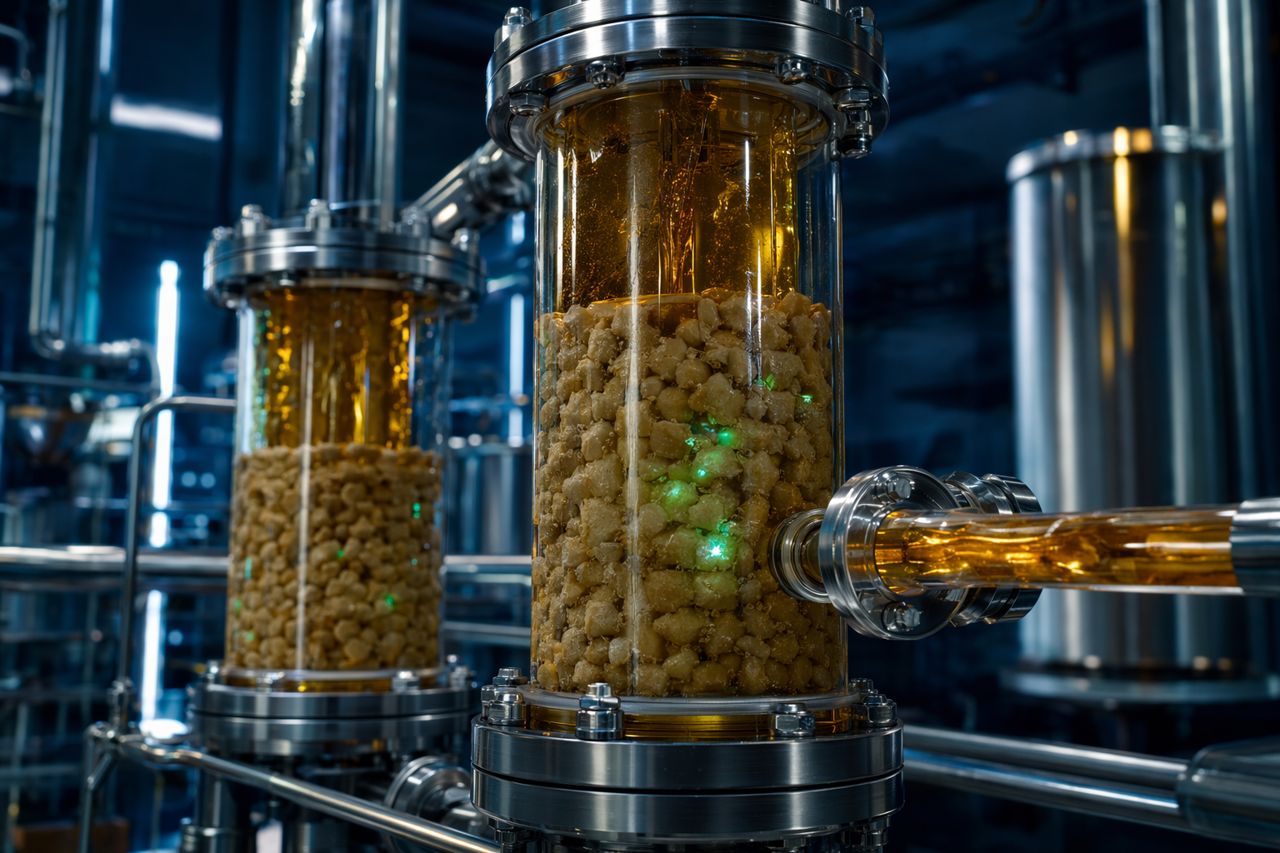
For this segment, immobilized lipase is often evaluated because it can simplify separation and support repeated production cycles. Key decision points include substrate compatibility, moisture control, mechanical stability, and consistency of lipid profile across batches.
Choosing a food-grade lipase
When comparing lipase options, ask for data and documentation that match your manufacturing reality, not just a generic product description.
Key selection criteria
- Specificity: positional preference and fatty acid selectivity influence final lipid profile.
- Form: liquid, powder, granulated, or immobilized formats affect dosing, handling, recovery, and process hygiene.
- Process window: temperature, pH, water level, salt, shear, and contact time need to align with your line.
- Sensory control: the right lipase should improve target notes without driving rancidity, bitterness, or waxy mouthfeel.
- Stop strategy: thermal treatment, pH shift, separation, or filtration may be required depending on product design.
- Regulatory fit: documentation should support the market, label position, and finished food category.
Documentation to request before scale-up
For B2B food manufacturing, procurement and R&D should align early on the documentation package. Typical requirements may include:
- Food-grade specification
- Allergen statement
- GMO-status statement where applicable
- Halal or kosher documentation when required
- Country of origin and manufacturing statement
- Safety data sheet
- Heavy metals and microbiological criteria
- Certificate of analysis for the supplied lot
- Recommended storage and shelf-life information
Process questions that prevent failed trials
Before requesting pricing, define the application target clearly. A good supplier conversation should cover:
- What fat or oil substrate is being modified?
- Is the target flavor, texture, emulsification, melting behavior, or nutritional lipid structure?
- Is the system aqueous, low-moisture, or oil-continuous?
- Will the enzyme remain in the final food, be inactivated, or be removed?
- What sensory defects are unacceptable?
- Which processing steps create heat, shear, salt exposure, or pH stress?
- What documentation is required for your market and customer base?
Clear answers shorten qualification time and reduce the risk of choosing a lipase that looks acceptable on paper but fails in the plant.
Trial design: focus on endpoints, not enzyme labels
A practical lipase trial should measure the properties that matter to the finished food. Useful endpoints include:
- Free fatty acid profile
- Mono- and diglyceride formation
- Flavor volatile profile
- Dough rheology and bake performance
- Emulsion stability and viscosity
- Melting behavior and crystallization profile
- Sensory acceptance after processing and storage
The enzyme should be judged by how reliably it moves those endpoints, how easily the reaction can be stopped, and how well it fits existing manufacturing controls.
Where Lipase Enzyme Solutions fits
Lipase Enzyme Solutions supports industrial buyers and application teams evaluating lipase for food processing. We help clarify the application target, identify suitable food-grade lipase formats, and align performance expectations with documentation, logistics, and scale-up practicality.
If you are replacing a legacy catalyst, building a cleaner-label system, improving dairy flavor control, or modifying edible oils, start with the process problem. We will help map the enzyme choice around it.
Request a quote or get pricing
Share your application details and our team will respond with fit-for-process guidance and commercial next steps.
Request a bulk lipase quote
Wholesale and bulk supply for manufacturers, formulators and resellers. To get a quote, send the product you make, the quantity per order or per month, and the destination country, and tell us your application and preferred format (powder, liquid or granule). Pricing, pack format and lead time are quoted per order, and we tell you which documents are available for that grade.